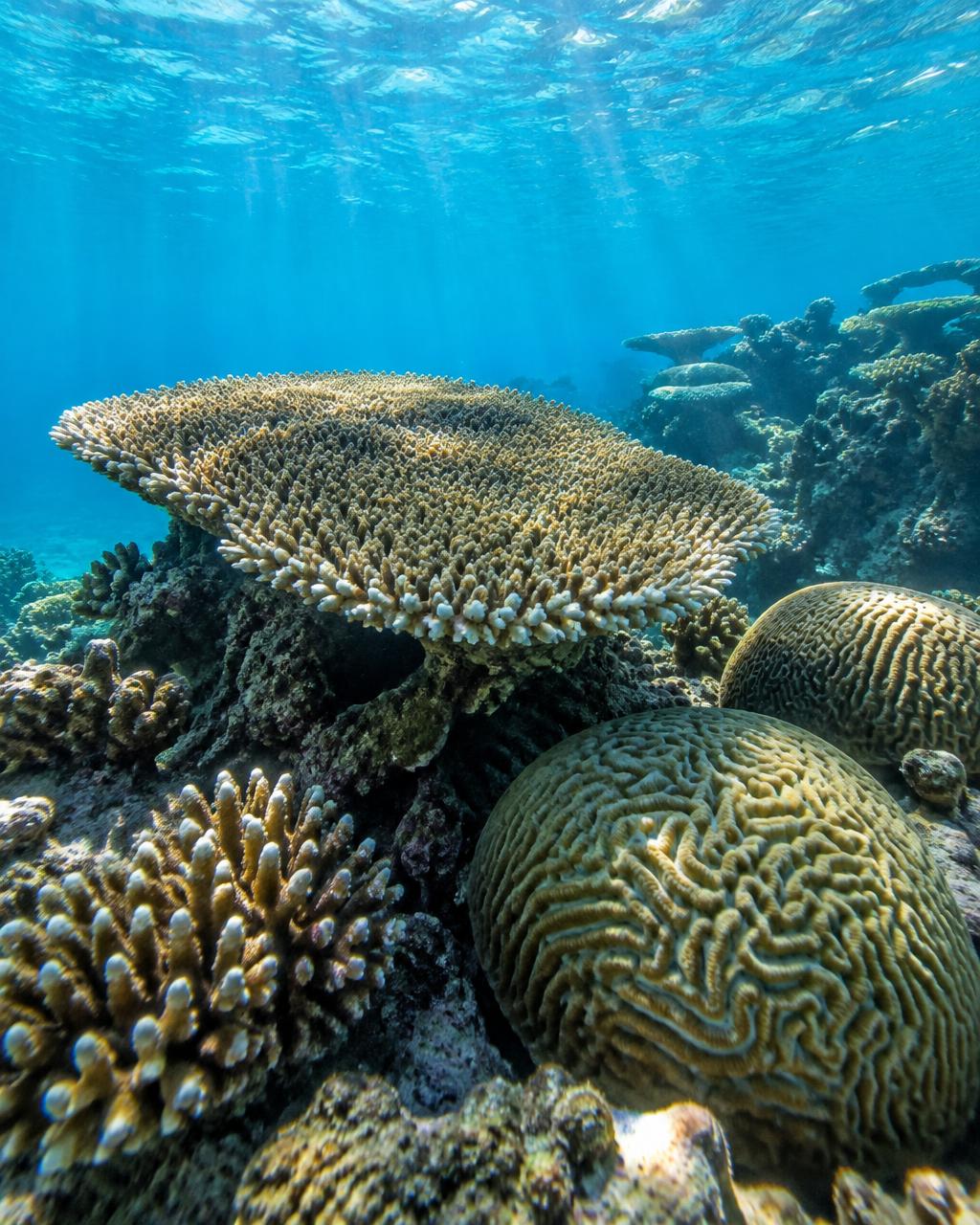
Scleractinia
Coral reefs
Growing coral from locally collected spawn and restoring suitable reef habitats through careful planting and long-term monitoring.
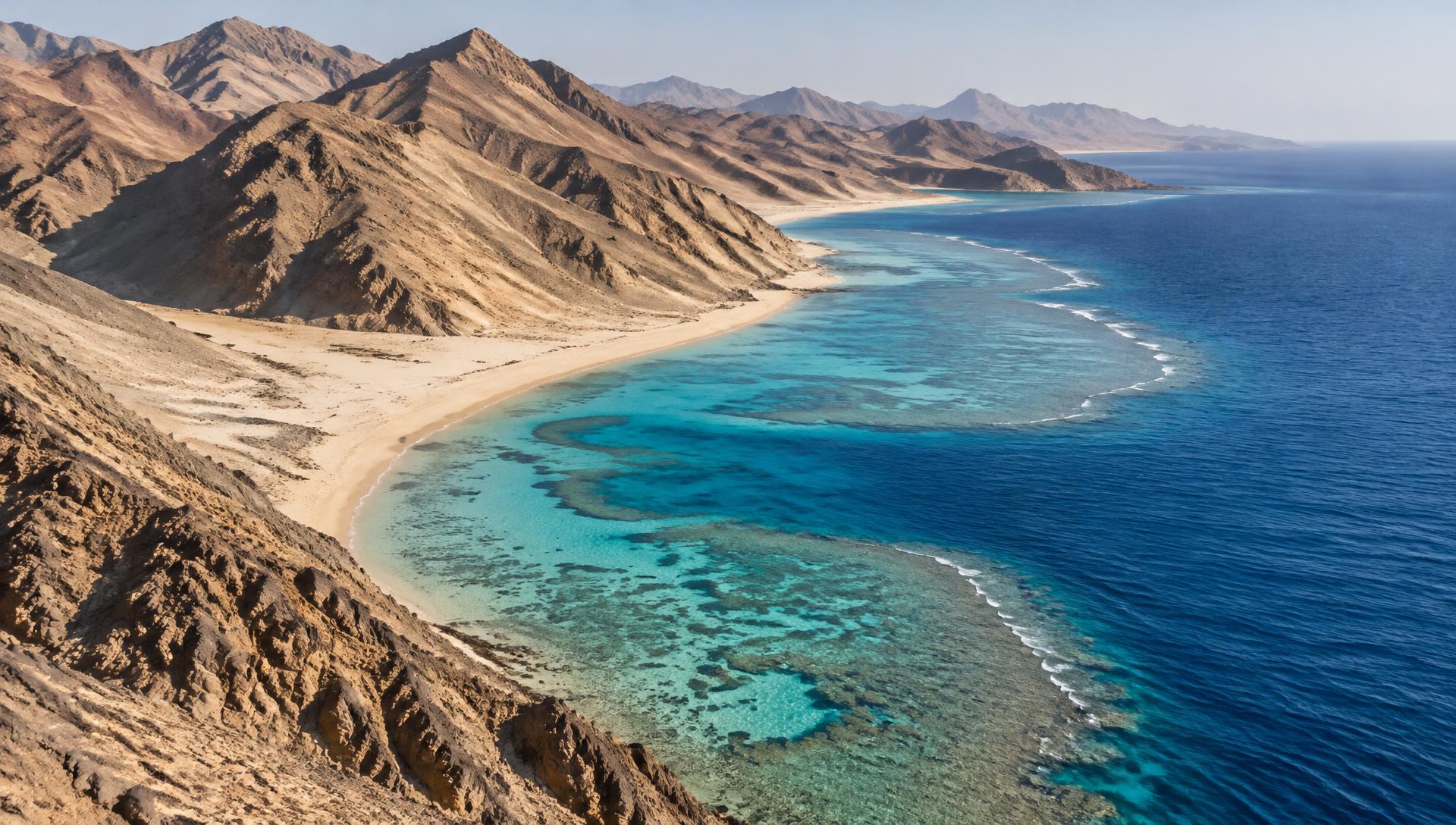
Coral, mangroves and native plants, grown to restore the reefs, shorelines and landscapes of the southern Red Sea.
Explore restoration →01 / The place
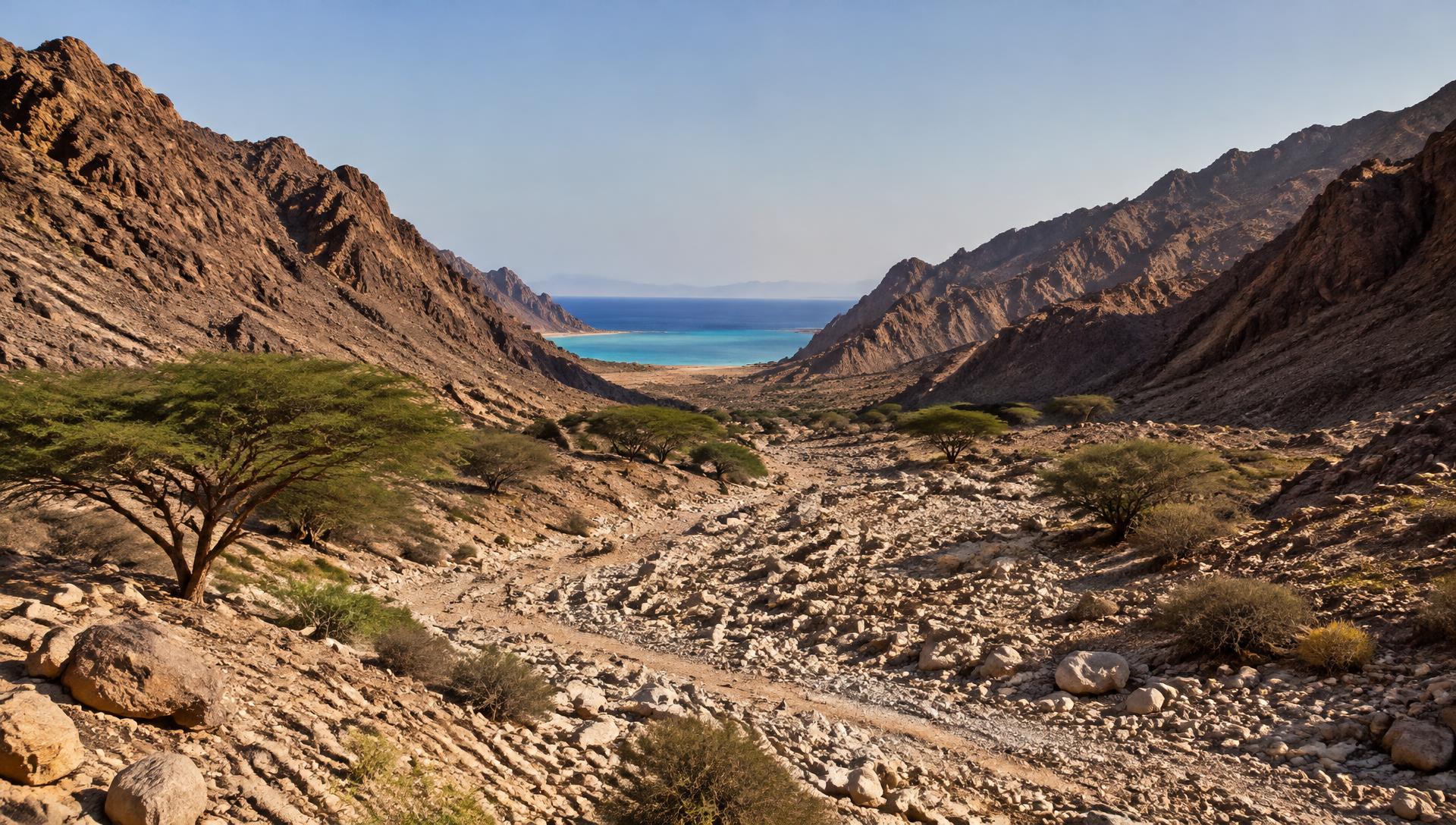
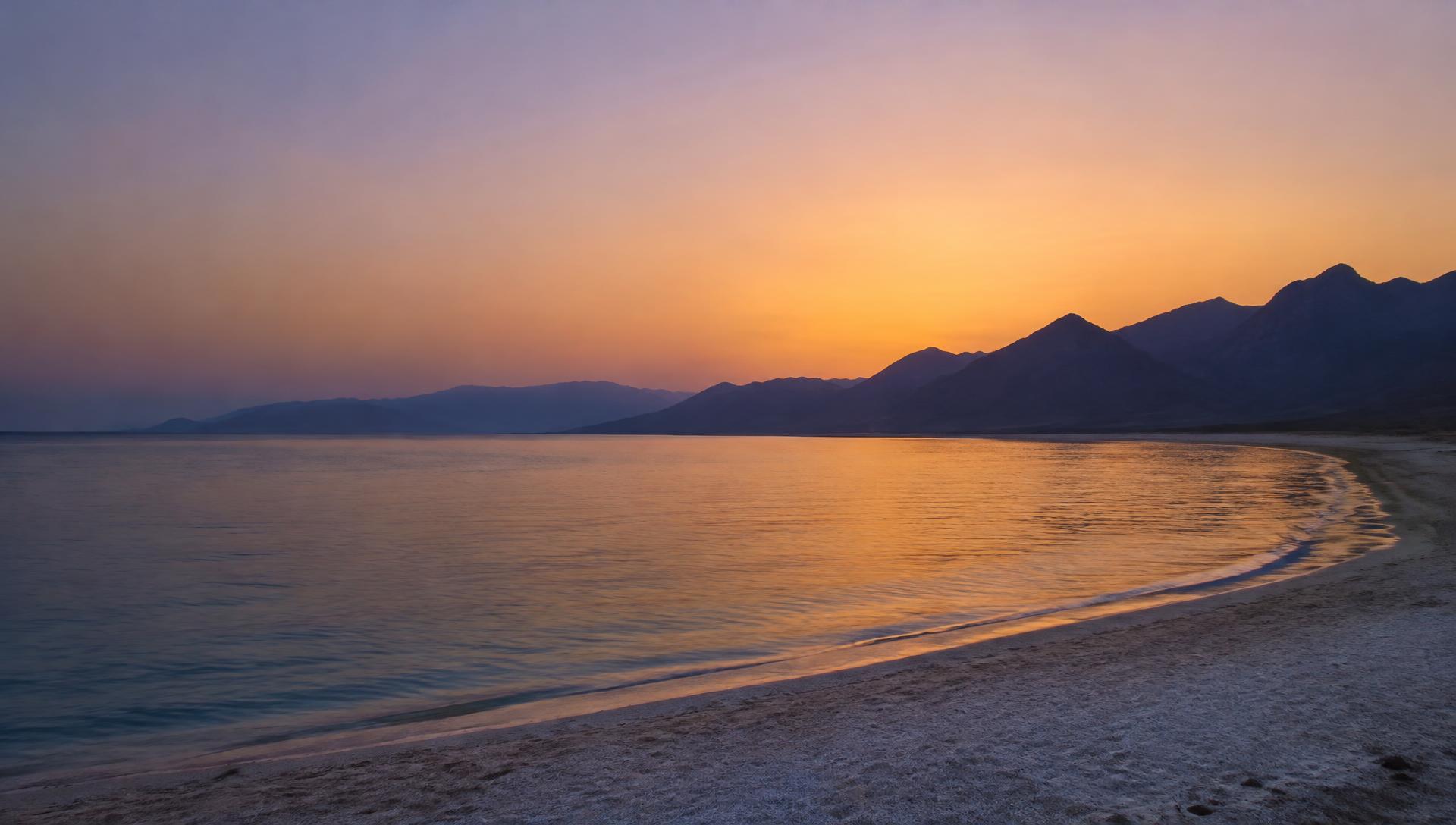
Along the southern Egyptian Red Sea, mountains, dry wadis, native vegetation and coral reefs form one connected landscape. What happens on land eventually reaches the sea.
This is a coast of extraordinary natural life, and one facing increasing pressure as tourism and development continue to grow.
02 / Restoration
We grow and restore the native ecosystems of the southern Red Sea, working with landowners to bring life back to their reefs, shorelines and landscapes.
Scleractinia
Growing coral from locally collected spawn and restoring suitable reef habitats through careful planting and long-term monitoring.
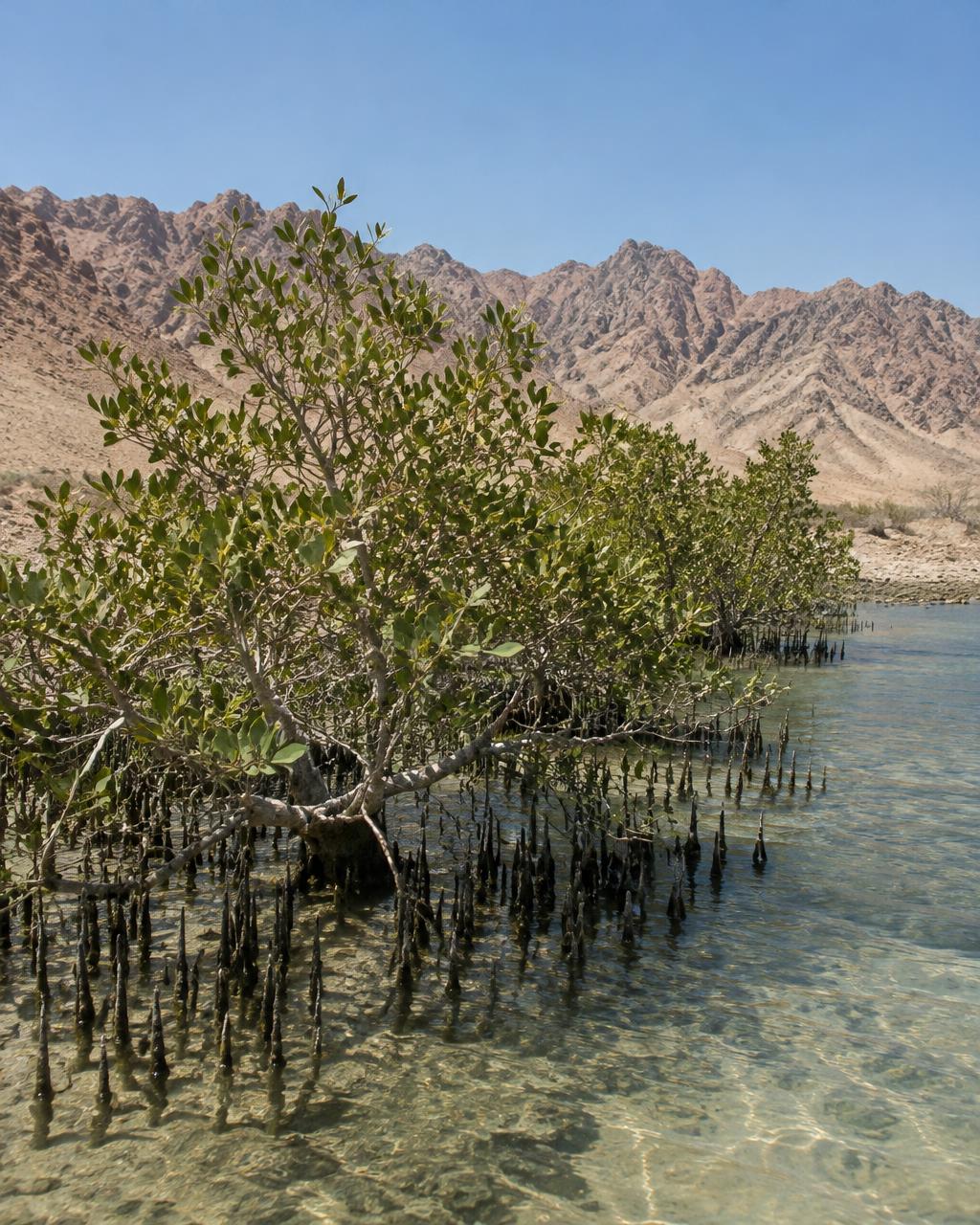
Avicennia marina
Raising native mangroves and coastal plants to restore suitable shoreline habitats and support the life they shelter.
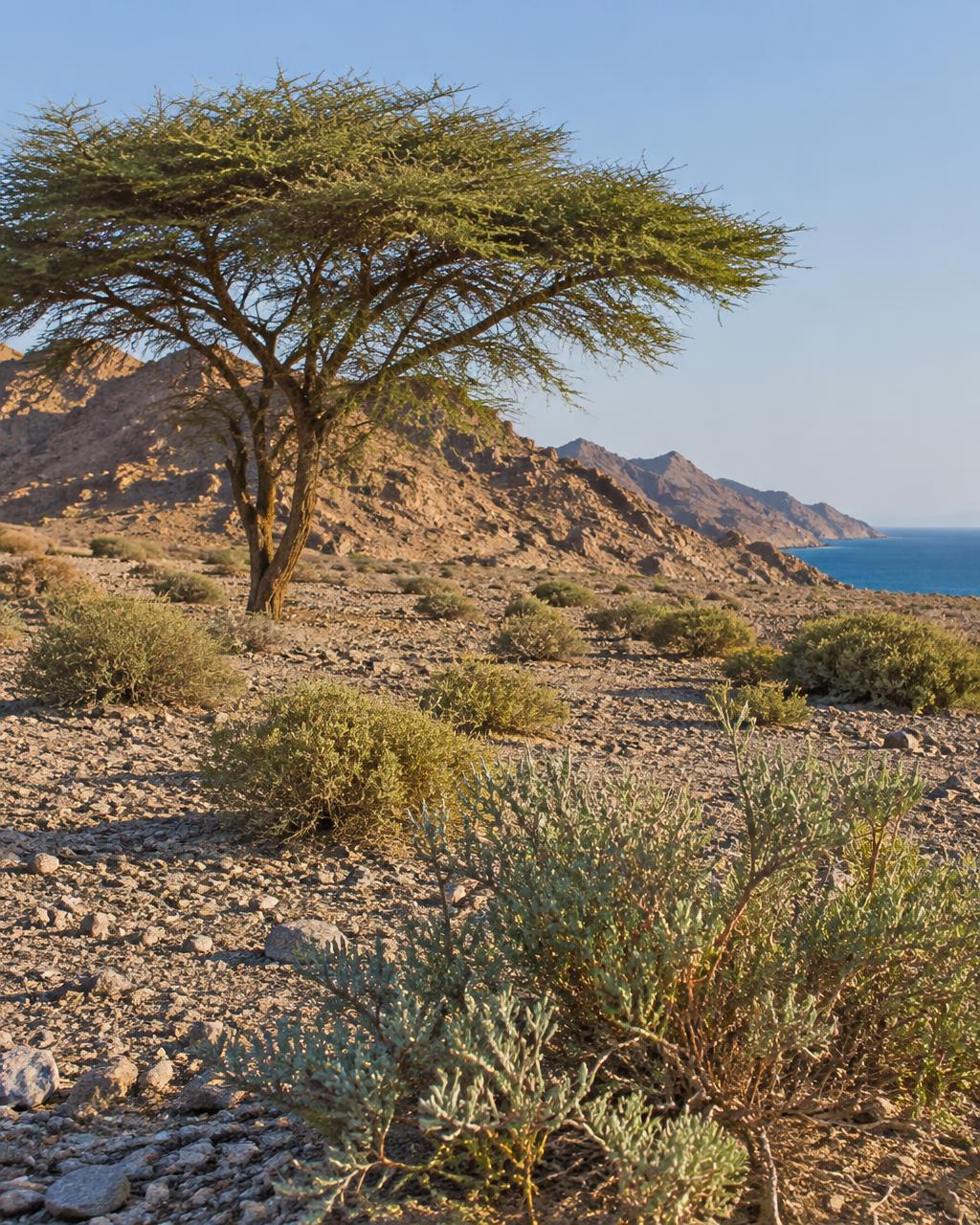
Vachellia tortilis
Reintroducing native trees, shrubs and groundcover adapted to this coast, reducing irrigation needs while restoring habitat for local wildlife.
03 / A different approach
We believe restoration should benefit both the land and the people who own it.
Through The BenBen Project, resorts, developers and landowners can invest in restoring the natural environments of their own properties.
Healthy reefs and shorelines can become natural attractions for visitors, while native landscapes reduce water consumption and maintenance costs.
Rather than seeing tourism development and conservation as opposing interests, we want to bring them together.
A coast where development contributes to its recovery.
04 / The farm
Our restoration work begins at the farm, where coral, mangroves and native plants will be grown through an integrated production system designed to make use of seawater, nutrients and recovered freshwater.
From marine ponds and mangrove beds to coral nurseries and native plants, each stage is designed to support the next, reducing waste and making better use of the resources available on this dry coast.
Fig. 1 — Proposed farm, schematic section
01
Marine ponds
02
Mangroves and salicornia
03
Shellfish filtration
04
Coral nursery
05
Water recovery
06
Native plant nursery
07
Salt production
Proposed system. Engineering design, water quality and production stages will be tested and developed before full operation.
05 / Our story
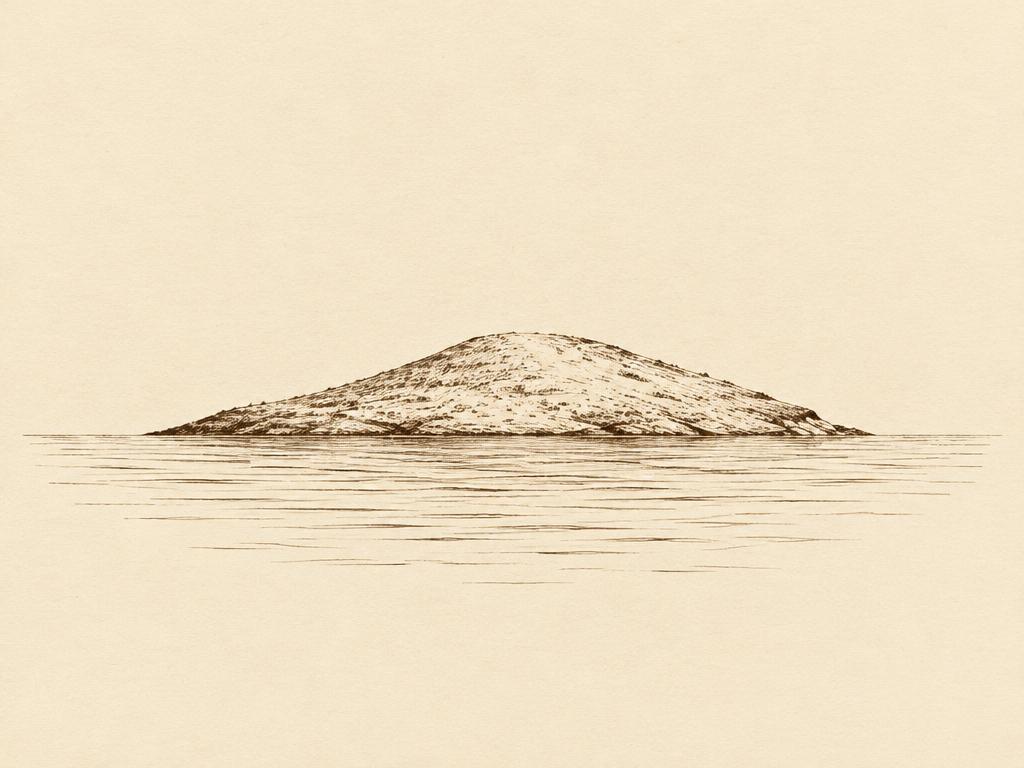
In ancient Egyptian belief, the world began as water. From it rose the first mound of land, the benben, where life began.
We chose this name for a project devoted to bringing life back to the land and sea.
The BenBen Project brings together people with backgrounds in coral science, water engineering, native plant restoration and commercial operations, united by a lasting connection to the southern Red Sea and the communities who depend on it.
06 / Get involved
Whether you own a coastal property, work in conservation, or want to help build a different future for the southern Red Sea, we would love to hear from you.
First propagation season planned for spring 2027.